I come from an aviation family. My grandfather was a pilot. In fact, he was the first licensed pilot in the state of Michigan. My grandmother was also a pilot — an early member of the Ninety-Nines, the first women pilots’ association. (Here’s a cool photo from 1935; Grandma is third from the left and Amelia Earhart is fifth from the right.)
Of my grandparents’ three songs, two became pilots. My dad was a certified flight instructor (CFI) for over 50 years, and my uncle was a commercial pilot for TWA for decades. My brother is a commercial airline pilot as well, flying for American Airlines. His daughter is also a pilot, representing the fourth generation of Bakers to sit in the left seat.

Probably the most famous pilot in my family, though, was my Great-uncle Albert Hegenberger, who is recognized as a legend in military aviation.
Born in Boston in 1895, Hegenberger served during World War I as a flying cadet in the nacent Army Air Corps, finishing the war as a gunnery pilot. (This was 30 years before the Air Force even existed). After the armistice, he served as chief of the Instrument and Navigation Unit of the Army Air Corps, pioneering new technologies for getting airplanes (and the people inside them) from point A to point B.
Trans-Pacific Flight
In June of 1927, Lt. Hegenberger and Lt. Lester Maitland became the first pilots to successfully complete a trans-Pacific flight from the U.S. to the Hawaiian Islands. This was a huge deal — others who tried had either turned back or disappeared without a trace. Heggie navigated while Maitland piloted the stripped-down Fokker C-2 Bird of Paradise on the 2,000-mile journey.
During the daytime, they flew low, at an altitude of just 300 feet. During the night, they climbed to over 10,000 feet so Hegenberger could see the stars clearly. He directed their course using a combination of a compass, dead reckoning and an aerial sextant (literally navigating by the stars).
Commenting on Hegenberger and Maitland’s flight, the Chicago Tribune stated, “This country has the genius requisite to deal with the scientific problems of aviation that still await solution. It has the enterprise, the courage, the skill and the material assets necessary to maintain the supremacy it has won and to use it beneficially for defense and for progressive peace-time objectives. Aviation needed a dramatic challenge to the popular and business mind, and now the challenge has been furnished in a series of remarkable flights.”
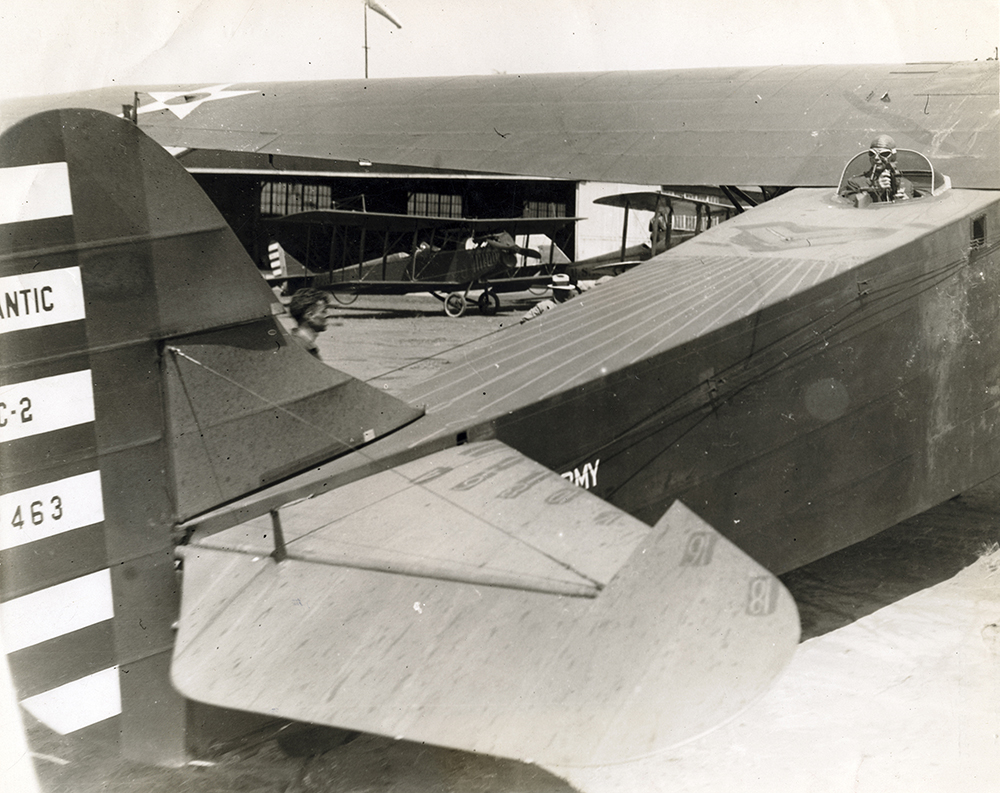
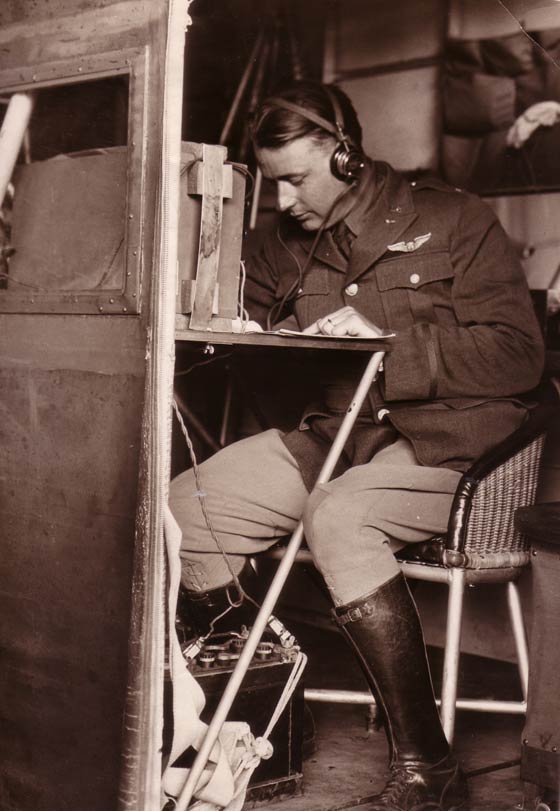
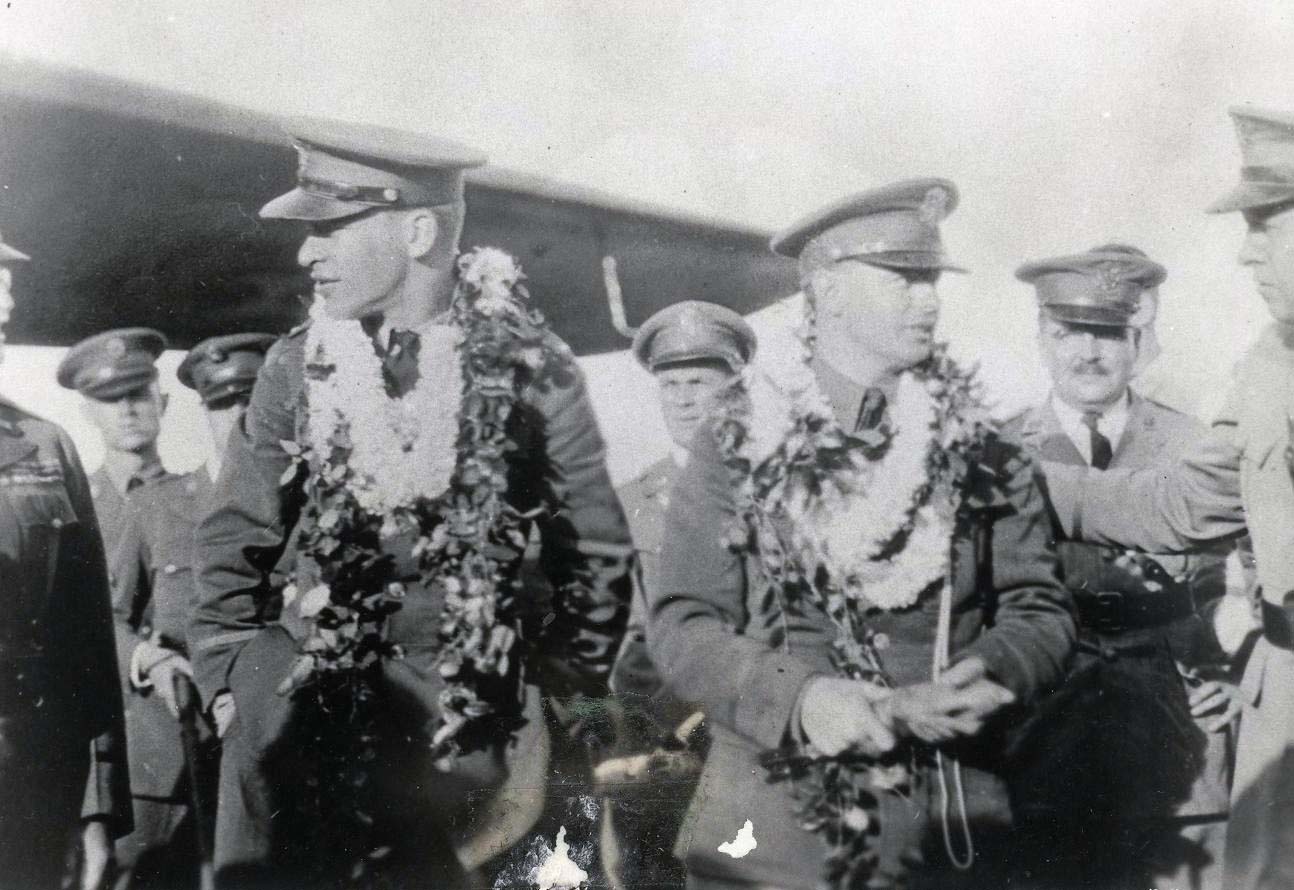
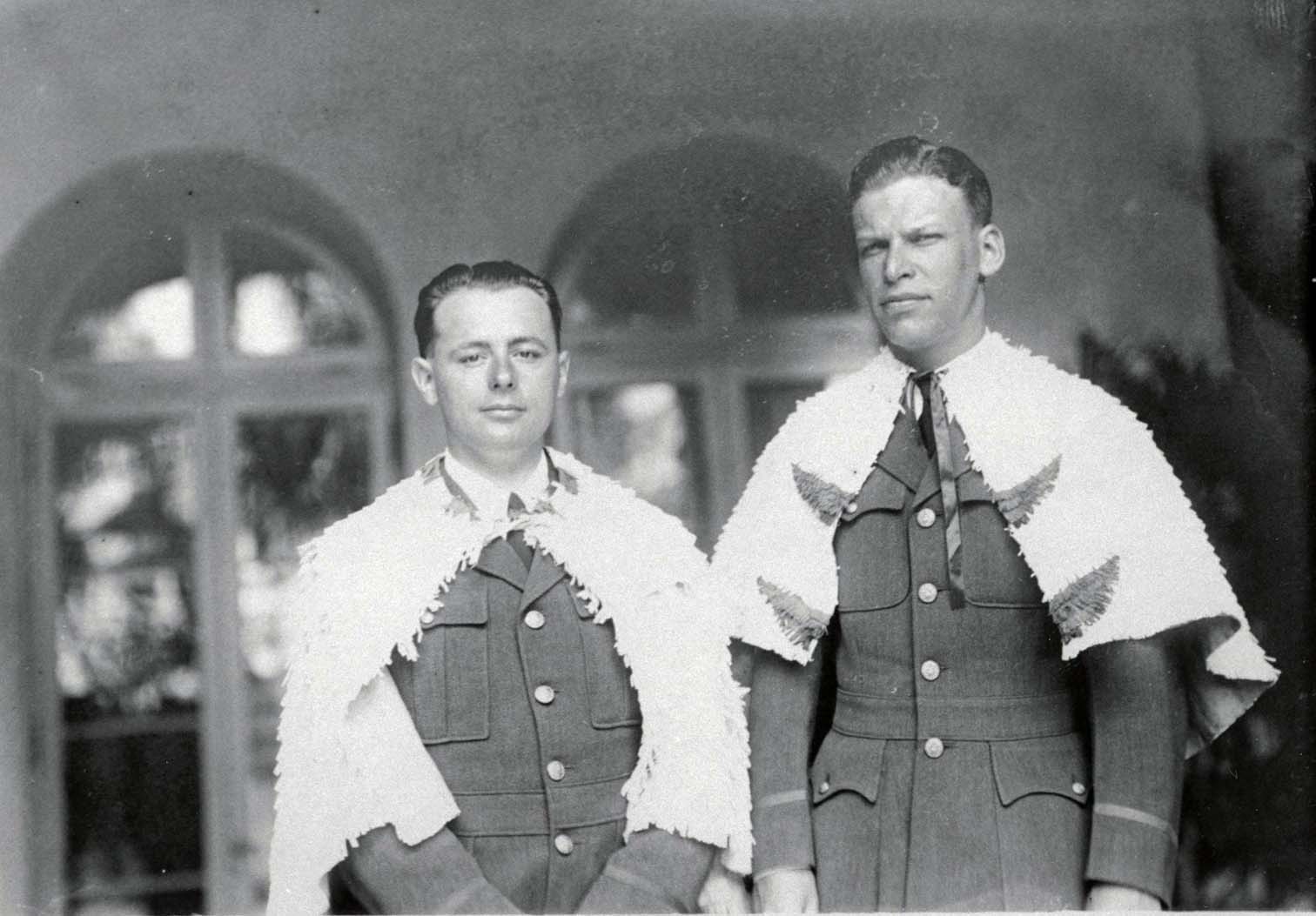
Hegenberger and Maitland beat out none other than Charles Lindburgh to win the Mackay Trophy for the “most meritorious flight of the year” in 1927. It makes sense if you think about it. If you shoot for Paris and miss, you still end up somewhere in Europe. But if you shoot for Hawaii and miss, you die.
Solo Flight Pioneer
Ten years later, in Dayton, Ohio, Hegenberger became the first solo pilot in history to take off, circle the field, and land an aircraft on instruments alone. (James Doolittle had earlier made a similar flight, but with a “check pilot” in the cockpit.)
According to This Day in Aviation, “The Hegenberger system, which was adopted by both civil and military aviation authorities, used a series of non-directional radio beacons (NDB) and marker beacons on the ground, along with a radio-compass and other gyroscopic instruments and radio receivers aboard the aircraft…” It was a huge step in moving beyond standard visual flight rules (VFR) toward today’s practice of flying through clouds and darkness.
For this achievement, President Franklin D. Roosevelt gave Hegenberger the Collier Trophy, which was awarded “for the greatest achievement in aeronautics or astronautics in America, with respect to improving the performance, efficiency, and safety of air or space vehicles, the value of which has been thoroughly demonstrated by actual use during the preceding year.” The Air Corps Newsletter called Hegenberger’s feat a “magnificent flight, and one worthy of a large and imposing monument on the green fields of aeronautical progress.”
Connection to Pearl Harbor Attack
Upon graduation from Command and General Staff School in 1939, Hegenberger was given command of the 11th Bombardment Group at Hickam Field, Hawaii.
On the morning of December 7, 1941, Lt. Kermit Tyler was supervising the radar information center at Fort Shafter in Hawaii when two privates alerted him to a disturbing blip on the radar screen. The signal indicated a large group of aircraft roughly 130 miles away, approaching quickly. After reviewing the screen, Tyler assumed (incorrectly, as it turned out) that the blips came from a flight of B-17s en route from Hamilton Field in the Bay Area. In actuality, the radar was showing incoming Japanese attack planes, but Tyler had no way of knowing that at the time.
Uncle Albert was the wing commander of that expected B-17 squadron. He and his crew were grounded in California due to heavy fog, so he was off island when the Japanese attacked Hawaii.
Heggie’s wife, my Great-aunt Judy, was with their children at Kaneohe Bay Naval Air Station when the Imperial Japanese planes strafed the field soon after hitting Pearl Harbor. According to family lore, Albert and Judy’s son Robert climbed onto the roof of their home and shot at the Japanese planes with his father’s revolver while the rest of the family hunkered under the kitchen table. After the attacks in Kaneohe, Judy collected Japanese bullets off the tarmac, keeping them as souvenirs.
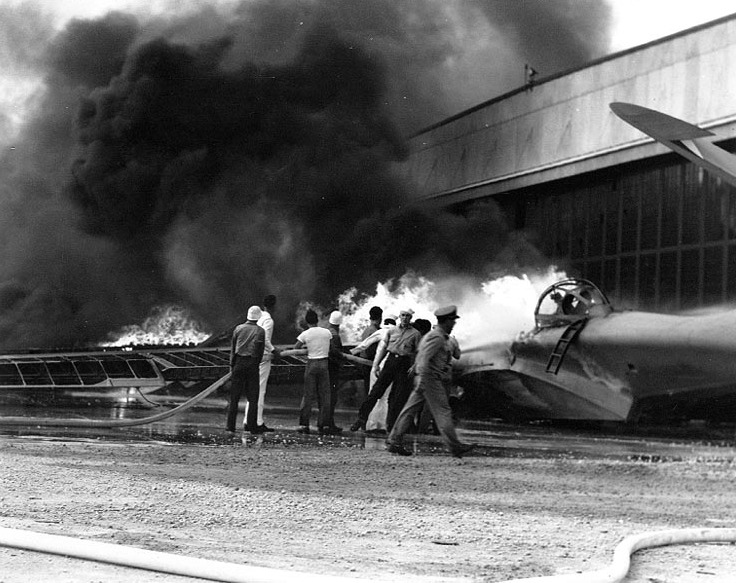
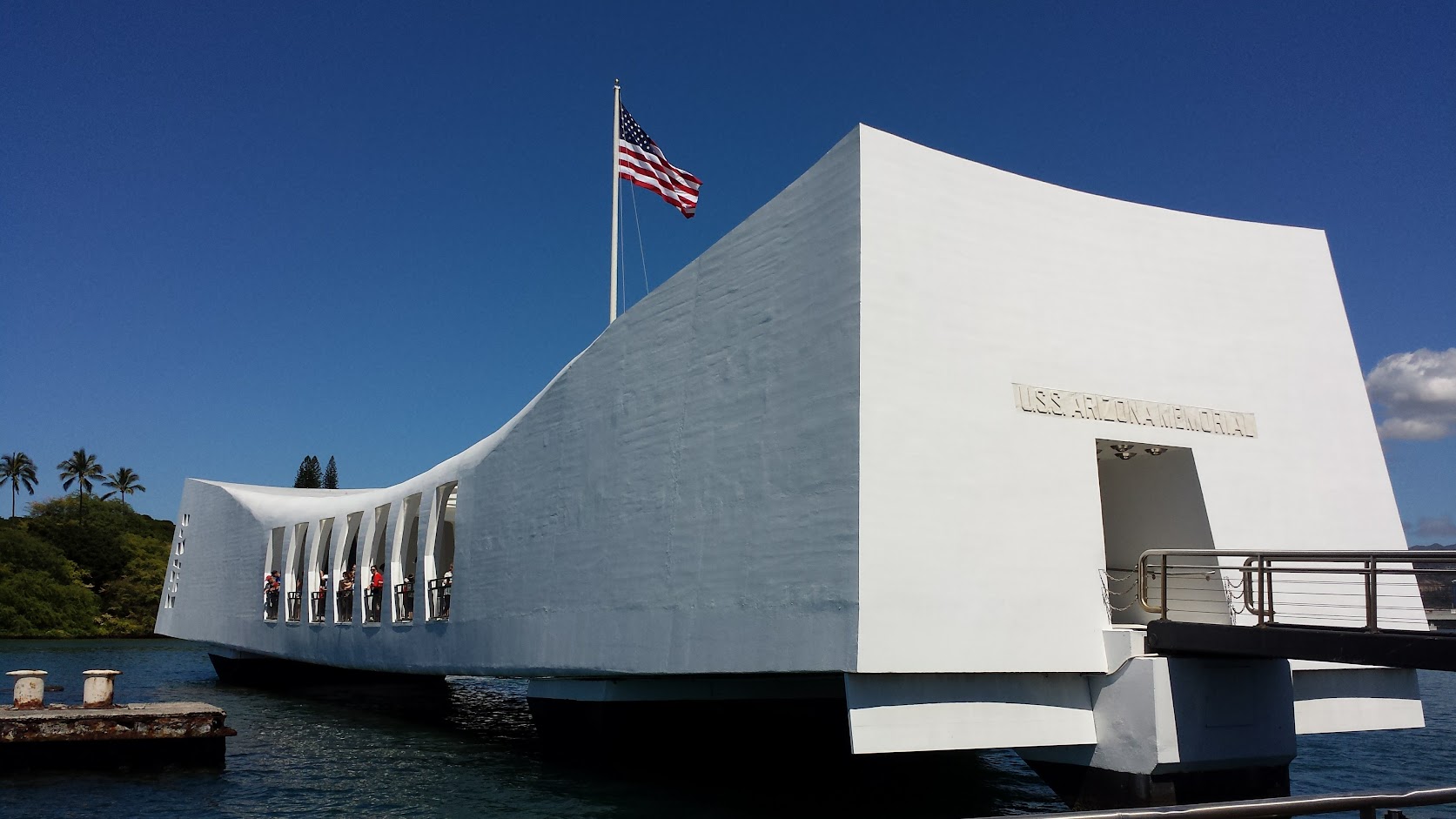
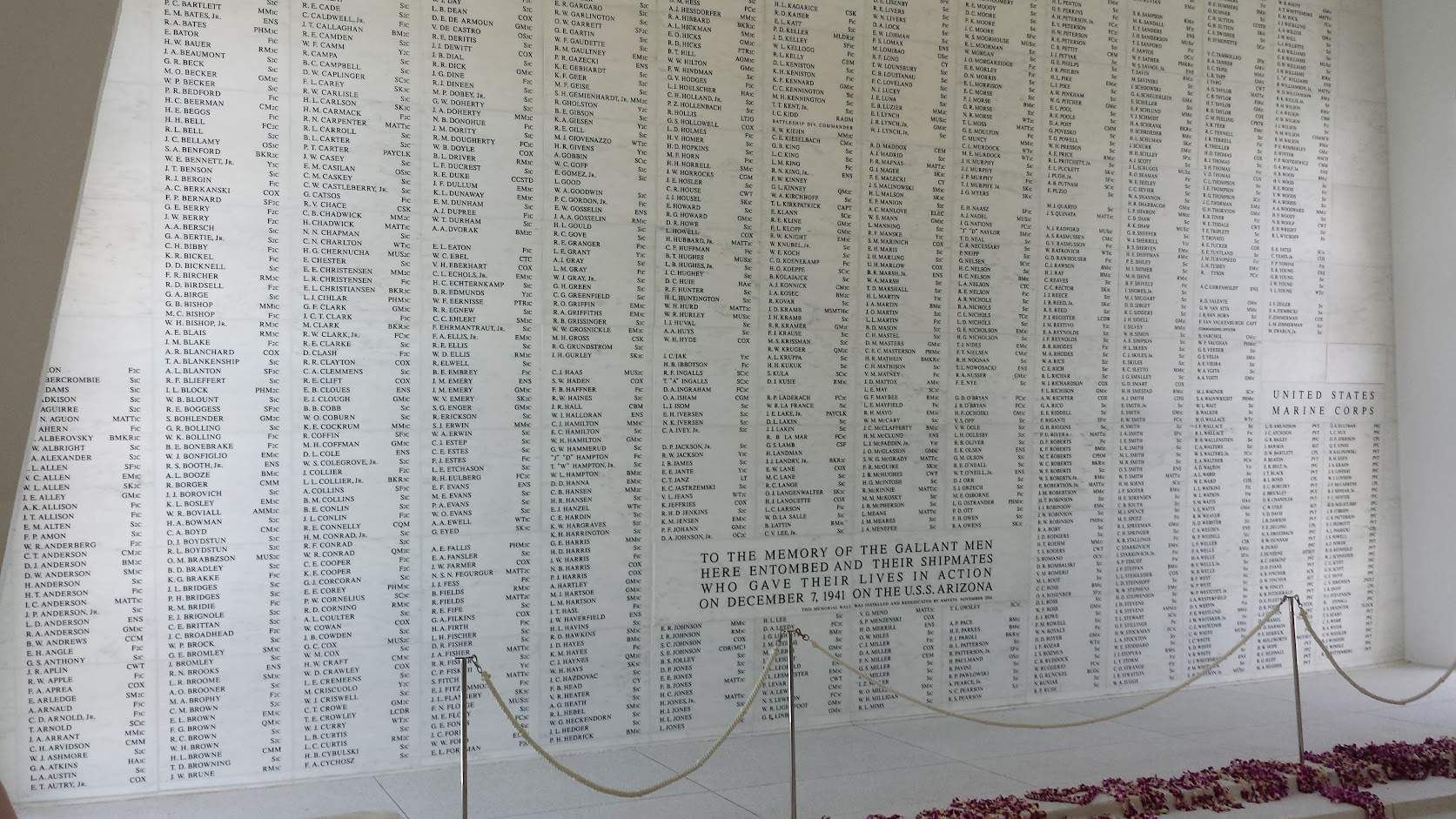
In the end, 2,335 people (including 68 civilians) lost their lives in the surprise Pearl Harbor attack. Every time I visit the U.S.S. Arizona Memorial in Hawaii, I’m saddened by the loss of life in this unprovoked strike.
On the Shoulders of Giants
That wasn’t the end of Hegenberger’s accomplishments. After World War II, he worked on Operation Fitzwilliam, a covert Air Force program conducted during the 1948 Sandstone nuclear tests designed to develop and refine long-range nuclear detonation detection using airborne sampling, seismic, acoustic, and atmospheric monitoring. Heggie served as the military commander of the project, which succeeded in demonstrating that radioactive debris from atomic explosions could be tracked thousands of miles away, helping to lay the groundwork for later global nuclear test monitoring systems.
My Uncle Hegenberger was an amazing man, a daring pilot and skilled navigator. He pioneered many of the instruments still used in aircraft today. He was also lucky, since he and his family survived World War II unharmed. He retired in 1949 at the rank of Major General, and in 1976 was honored with a spot in National Aviation Hall of Fame.
He passed away in 1983 in Goldenrod, Florida.